

I get it, she’s a lot, but……
What happens when a child learns that being themselves gets them into trouble? This blog explores the hidden cost of masking and why understanding neurodivergent children matters so much.
Often, when I find myself advocating for my daughter after someone has mishandled a situation, I find myself pre-facing it with ‘I get it…’
And I do get it. My daughter has ADHD. She can’t take medication for it because it exacerbates her OCD. She is also Autistic and doesn’t pick up on social cues when she is being ‘too loud,’ ‘too impulsive,’ ‘too hyper,’ ‘disruptive,’ ‘unfiltered.’ The list goes on.
But when people mistake all of this for being ‘overconfident’ they think she can handle it when they get frustrated with her. And she absolutely cannot.
Masking is something ADHD girls in particular are expert at. When my daughter was being assessed her teacher wrote on the school forms that she ‘has no trouble sitting still and in the classroom you wouldn’t know she was there as she is so quiet.’ I cried when I read that because that does not describe my daughter at all. I knew the amount of effort going into sitting still and not drawing attention to herself had already come at a significant expense and as a result she was now in burnout and we were scrambling to learn how to help her recover.
Since then, my daughter’s primary school had a better understanding of her needs. She stopped going to the clubs she had previously enjoyed because she was so worried about being told off if she got excited. We joined a group for Autistic girls where she could be herself. A huge amount of effort and resources has gone into accessing the right mental health support for her and an educational environment that can meet her needs when she starts secondary school in September.
A couple of months ago, for the first time in three years, I found myself saying ‘It’s like she’s her old self again.’
Because she was so relaxed, regulated, and genuinely cheerful. She was playing out with children on our street on their scooters, happily skipping off to school in the mornings, singing loudly without even realising and we were not seeing the distressing evidence of anxiety that had become part of daily life. Nothing makes me happier than seeing my child thriving. That is all any parent wants. And my daughter’s personality is what makes her sparkle and we love her so much for it.
However, we then saw the cycle again where people (peers and adults) would get frustrated with her and she would get into trouble. For being happy. Not because she was doing anything wrong. Not because she was ever remotely unkind.
And no matter how much I preface my advocacy with ‘I get it but…’ the reality is what I was about to say constitutes to ‘you caused her significant distress for something she literally cannot control.’ And that absolutely breaks my heart.
Because, every time something happens where she has been excited, happy, impulsive, noisy, and she has been told she is ‘disrespectful’ or ‘hurting my ears’ or ‘not listening,’ what she takes from that is that she let the mask slip and she must fix it back on in order to protect herself.
That might make those people feel more content around her. But that mask is unsustainable for her nervous system.
So; whether you are the relative, friend, teacher or any other professional… If you are lucky enough to have a sparkly ADHD child in your life – please look beyond their presentation and don’t mistake ‘confidence’ for being able to receive negative feedback from you.
Redirect them, or gently explain something to them without embarrassing them.
But please, please, don’t dim their sparkle.
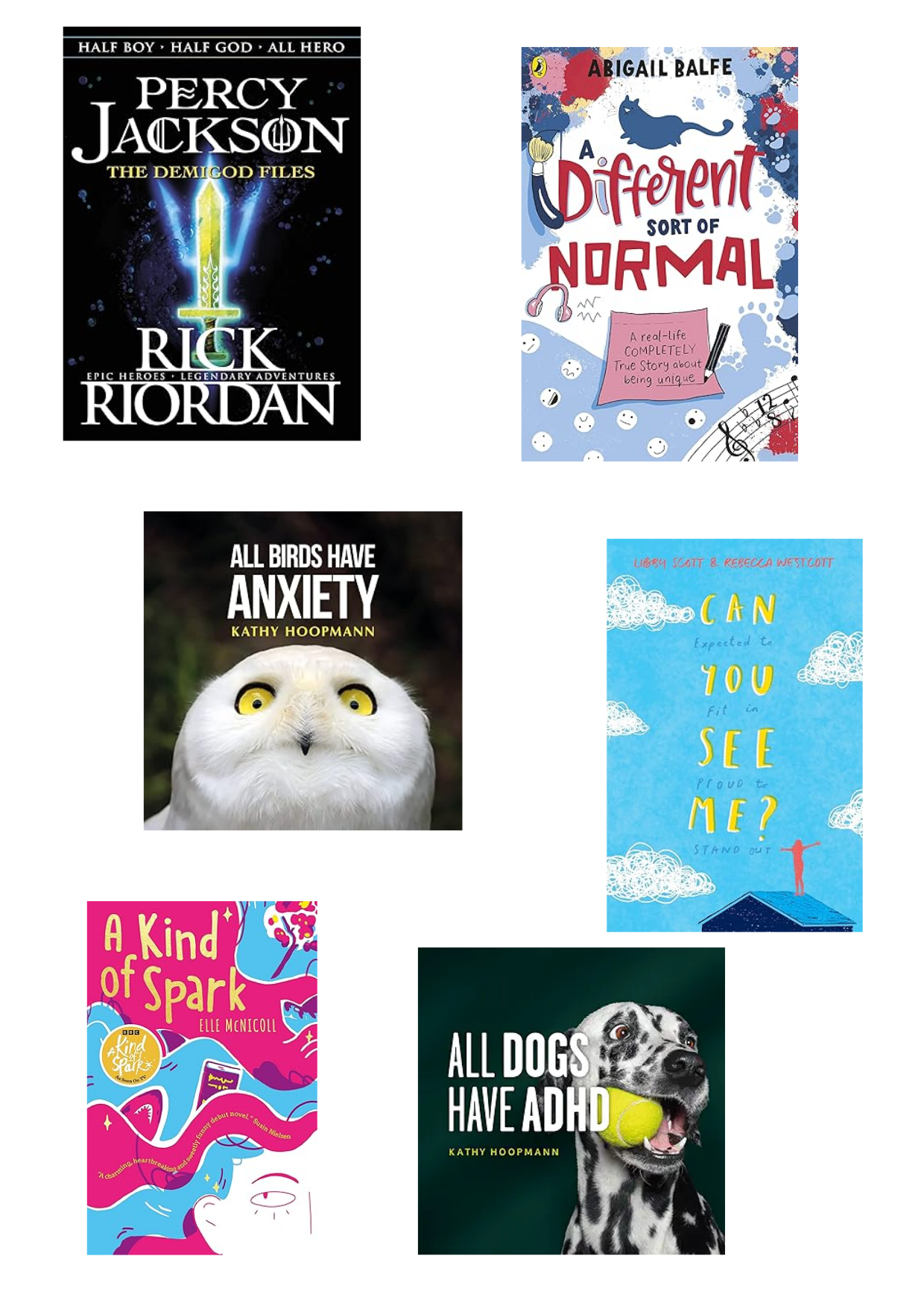
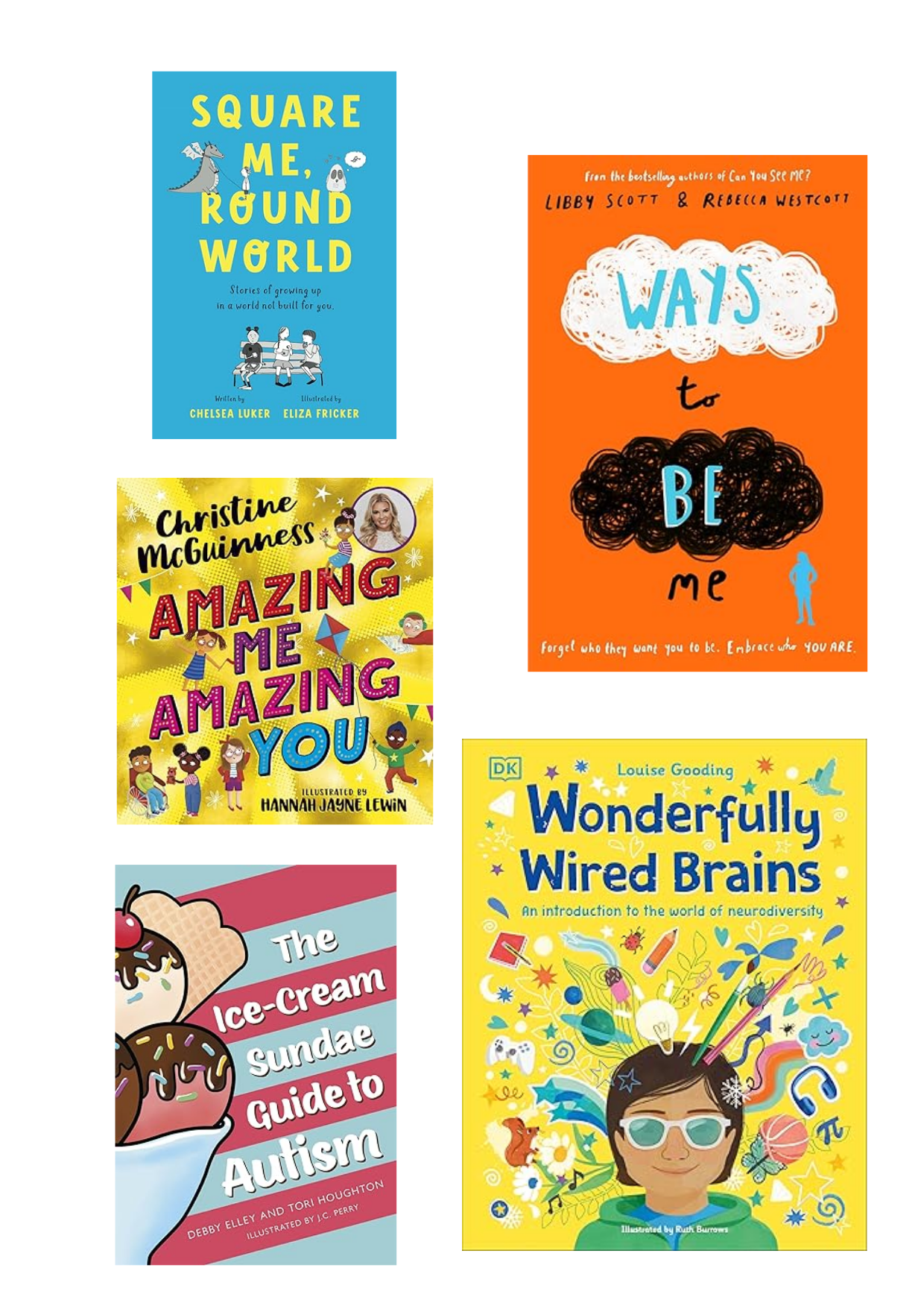
Children’s book recommendations
Here are some books that are great for children and either include neurodivergent characters or have an neurodivergent theme.
*as ever, none of these are sponsored, just books we love!